

AI can make employee benefits administration faster and easier to navigate, but only when it is attached to a defined process, reliable source data and accountable human owners. The useful question is not whether a platform “uses AI.” It is whether a specific feature improves accuracy, response time or employee understanding without creating new privacy, bias or compliance risk.
That distinction matters for global employers. Benefits teams already manage plan rules, eligibility, enrollment, payroll files, vendor records, renewal dates and employee questions across different countries. Adding an opaque model to fragmented data can multiply errors. Adding carefully governed automation to a controlled operating model can help the same team review exceptions sooner, communicate more clearly and make better-informed decisions.
This guide separates the AI applications that create practical value today from the claims that remain unreliable. It also provides a framework for evaluating, implementing and measuring AI in employee benefits administration.
Start With Controlled Benefits Data
AI does not repair a weak source of truth. Before introducing an AI feature, define which system owns each important record: employee identity, work location, worker classification, eligibility, enrollment, contribution elections, plan rules, provider information, costs and renewal dates. Assign an owner and update process to each field.
The model or automation should receive only the data needed for an approved purpose. Access should reflect job responsibilities, and sensitive information should have retention and deletion rules. If an employee changes country, status or payroll entity, that event should trigger a documented review rather than an unsupported automated conclusion.
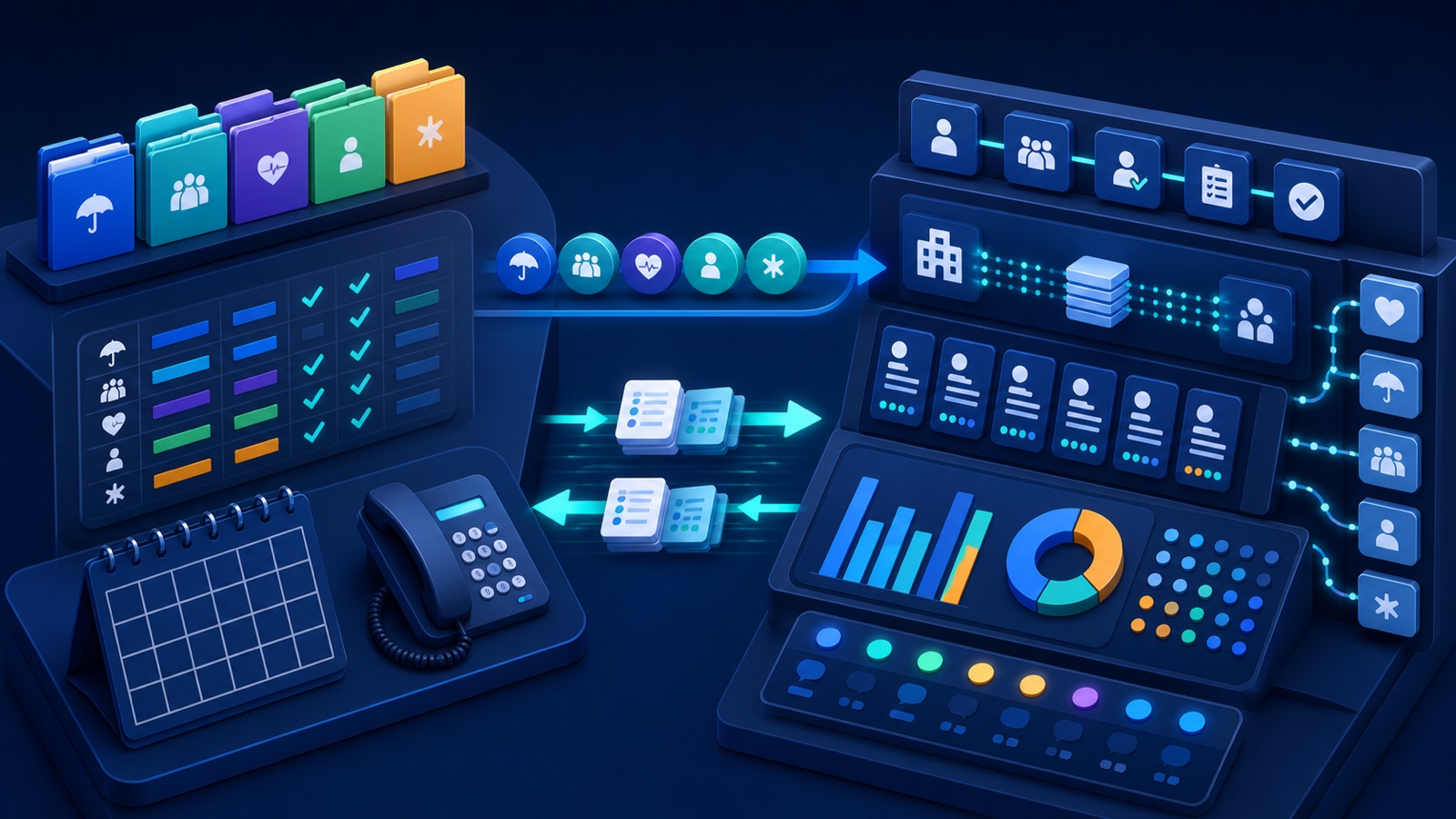
A centralized benefits administration layer can make this foundation easier to maintain. Redii’s benefits administration platform brings plan information, employee eligibility, enrollment data, renewal dates and costs into one view while supporting benefits from multiple providers.
Five AI Uses That Can Deliver Value Today
1. Data checks and anomaly detection
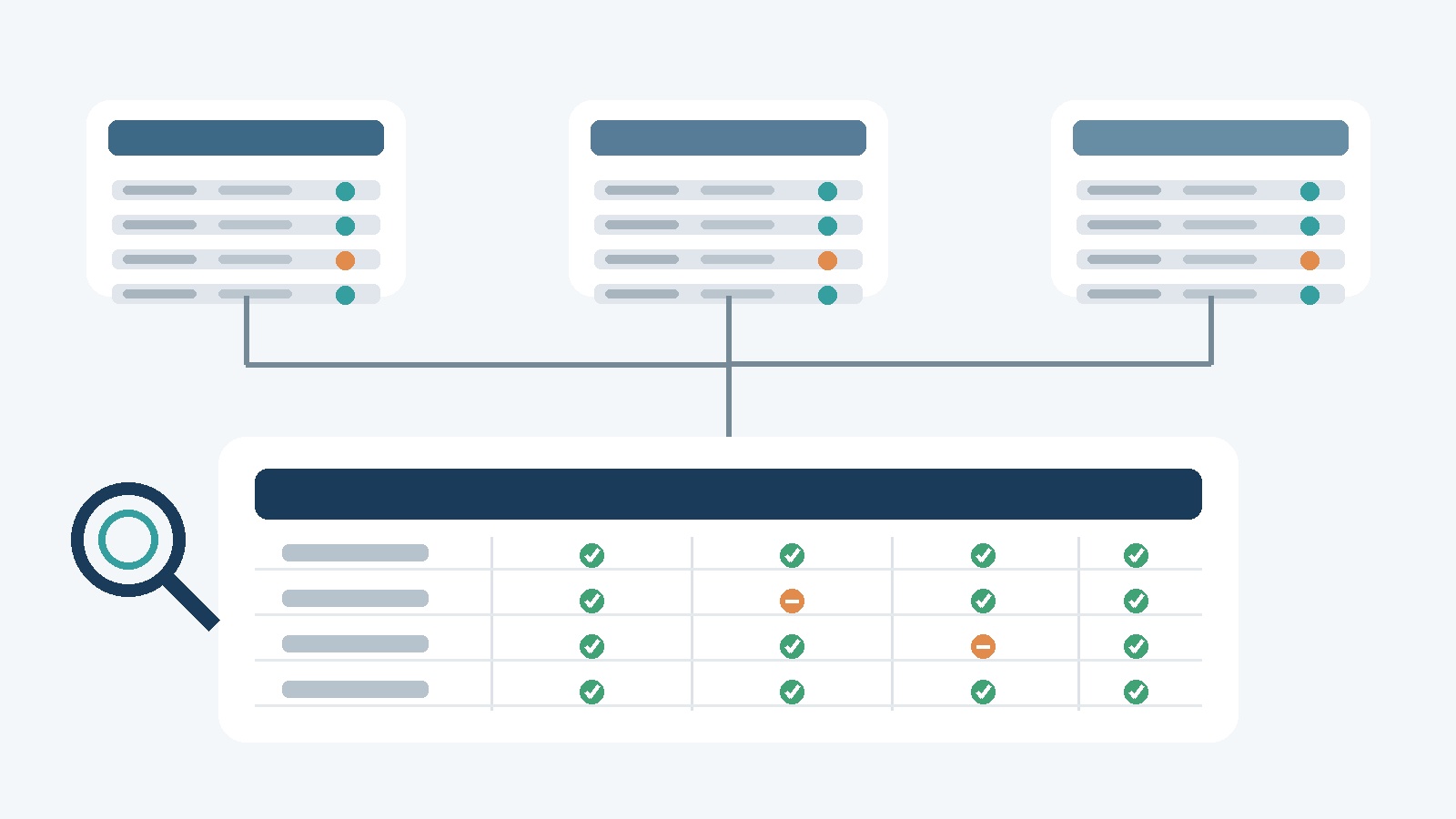
Benefits operations generate recurring files and transactions. Automation can compare an incoming enrollment, payroll or contribution file with expected formats and prior patterns. It can flag missing identifiers, duplicate records, unexpected contribution changes, late files or totals that do not reconcile.
The output should be an exception queue, not an automatic correction. A reviewer still needs the source records and plan rules required to decide whether a flagged item is a real error. This is especially important where a change could affect an employee’s coverage or savings.
2. Document classification and controlled retrieval
Global benefits teams manage plan documents, policies, enrollment forms, provider contracts, renewal notices and country-specific communications. AI-assisted document tools can classify files, extract structured fields, identify an outdated version and retrieve relevant passages from an approved library.
The safest pattern is retrieval from controlled documents with the source shown to the user. A general model should not invent a plan rule or treat a stale document as authoritative. Material changes should remain subject to version control and approval.
3. Employee support across languages and time zones
An employee assistant can answer common questions using approved plan information: where to find an enrollment form, which deadline applies, what an employer contribution means or who to contact for a complex issue. Multilingual support can make the same information easier to access across a distributed workforce.
The assistant should disclose its limitations, identify the source of the answer and route legal, tax, investment or case-specific questions to a qualified person. Translation also needs review for high-impact content. A fluent answer is not necessarily an accurate one.
4. Workflow prioritization
AI can help sort operational work by urgency and likely impact. For example, it can group recurring employee questions, identify unresolved cases approaching a deadline, summarize a provider update or highlight records affected by a country move.
This use is often more valuable than attempting full autonomy. It reduces the time spent finding the next issue while leaving the consequential decision with HR, payroll, finance, legal or the plan administrator.
5. Reporting and pattern discovery
Benefits data can reveal differences in coverage, enrollment, cost and utilization across employee groups or countries. AI-assisted analysis can help teams explore why a plan is underused, where support volume is rising or which administrative process causes repeated corrections.
These patterns are starting points for investigation. They do not establish causation. A model may find that employees in one location enroll at a lower rate, but the cause could be communication, eligibility, payroll timing, plan relevance or data quality. Human review and local context remain essential.
Predictive Analytics: Useful Signal, Not Automatic Truth
Predictive tools can help estimate support demand, identify likely renewal bottlenecks or show which employees may need a reminder before an enrollment deadline. They can also support scenario planning by helping teams compare costs and participation under documented assumptions.
Claims about predicting retention, employee satisfaction or the “best” benefit require much more caution. Benefits are only one part of the employment experience, and historical HR data can reflect earlier decisions or unequal access. A correlation between plan participation and retention does not prove that the plan caused the difference.
When predictive analytics are used, document the intended decision, the population represented in the data, excluded variables, error rates and the action a human may take. Test whether performance differs materially across countries, worker groups or languages. Avoid using a benefits model as a proxy for performance, commitment or future employment decisions.
What Is Still Hype or Too Risky to Delegate
Some AI claims move beyond what a benefits team should accept without substantial validation and specialist oversight.
- Fully autonomous plan design: a model cannot replace the legal, tax, actuarial, employee and operating analysis required to design a benefit across countries.
- Automatic compliance resolution: software can track configured rules and route possible changes, but it should not independently decide how a new law applies to a specific plan and workforce.
- Personalized legal, tax or investment advice: education and scenario tools are different from regulated or jurisdiction-specific advice.
- Black-box eligibility decisions: employees and administrators need to understand which plan rule and source data produced an eligibility outcome and how to correct an error.
- Attrition predictions used against employees: benefits engagement data should not quietly become a workforce surveillance tool or an input to adverse employment decisions.
A practical rule is to increase scrutiny as the consequence of an error rises. Drafting a summary for review is different from changing coverage, contributions, eligibility or employment treatment.
Cross-Border Benefits Add More Than Translation
International administration involves different laws, tax systems, currencies, data-transfer requirements, plan structures and cultural expectations. The same model may perform differently when documents, terminology and employee behavior change by country.
Build country context into the operating process rather than assuming the AI will infer it. Records should identify the employee’s relevant work location, employing entity, plan and governing document. Prompts and knowledge sources should be segmented where necessary. A country move should trigger reviews of eligibility, payroll, disclosures, data handling and any required local plan participation.
For retirement benefits, employers should also distinguish between education, plan administration and individualized advice. Redii’s international pension plan is designed to help employers administer retirement support across countries, while country-specific legal and tax questions still require appropriate professional advice.
A Governance Framework for Benefits AI
The NIST AI Risk Management Framework organizes risk work into four functions: govern, map, measure and manage. Benefits teams can translate those functions into practical controls.
Govern
- Name an accountable business owner and identify legal, privacy, security and employee stakeholders.
- Define approved and prohibited uses, including whether outputs may affect eligibility, contributions or employment decisions.
- Maintain a vendor inventory, contract terms, access roles and a change log.
Map
- Describe the users, affected employees, data sources, jurisdictions and potential harm if the output is wrong.
- Identify where human judgment is required and how an employee can question or correct an outcome.
- Separate low-impact drafting and search tools from high-impact decisions.
Measure
- Test outputs against authoritative plan documents and known cases.
- Measure false positives, missed exceptions, unsupported answers and performance across languages or employee groups.
- Test privacy, security and prompt-injection risks when systems retrieve internal content.
Manage
- Set review thresholds, escalation paths and a way to disable the feature safely.
- Monitor drift after model, data or plan changes.
- Record incidents and use them to revise rules, training and tests.
The OECD AI Principles likewise emphasize human rights, fairness, privacy, transparency, robustness and accountability. These principles are especially relevant when employees may not know that an AI system is influencing the information or workflow they encounter.
How to Evaluate an AI Benefits Vendor
A vendor demonstration should be the start of due diligence, not the conclusion. Ask for evidence about the exact feature and data flow you plan to use.
- Which models and subprocessors receive employee or plan data?
- Is customer data used to train shared models, and can that use be disabled?
- Where is data stored, how long is it retained and how is it deleted?
- Can the system restrict answers to approved documents and show citations?
- How are role-based access, audit logs and administrator approvals handled?
- How does the vendor test accuracy, bias, security and multilingual performance?
- What happens when a model, prompt, data source or provider changes?
- Can an administrator override, correct or disable an output?
- What contractual commitments cover incidents, support, data export and termination?
Request a limited pilot using representative but appropriately protected data. Include difficult cases and known errors, not only clean demonstrations.
A 90-Day Implementation Sequence
Days 1–30: choose and map one use case
Select a bounded problem with a measurable baseline, such as classifying support requests or checking contribution files. Document the current process, owner, data, error types, review step and employee impact. Exclude uses that would make final legal, eligibility or employment decisions.
Days 31–60: configure controls and test
Connect only approved data sources. Establish access roles, retention rules, citations, escalation paths and logs. Test normal cases, edge cases, languages and country variations. Record where the feature fails and define when a reviewer must intervene.
Days 61–90: run a monitored pilot
Release the feature to a limited group with clear support. Compare results with the baseline, review errors weekly and collect feedback from employees and administrators. Expand only after the pilot shows a meaningful improvement without unacceptable risk.
Measure Outcomes, Not Model Activity
Prompt counts, chatbot conversations and generated summaries show usage, not value. A benefits AI project should have operational and employee measures tied to the original problem.
- Processing time per file or case
- Correction and reconciliation rates
- Unresolved questions and repeat contacts
- Time to a verified answer
- Enrollment completion and deadline misses
- Contribution exceptions detected before processing
- Employee comprehension and satisfaction
- Human escalations and overrides
- Performance by language, country or relevant employee group
Review both averages and outliers. A faster average response can conceal a small number of serious errors. Cost savings should include implementation, oversight, vendor management, security and remediation, not only reduced manual time.
How Redii Supports Smarter Benefits Operations
AI works best when it sits on a reliable benefits operating foundation. Redii centralizes plans, employee eligibility, enrollment data, renewal dates and costs across countries. It supports recurring workflows and reporting while remaining vendor agnostic, so employers can maintain existing brokers, insurers, payroll providers and benefit vendors.
That structure gives HR and finance teams clearer source data for automation and a better way to focus human review on exceptions. Explore Redii Benefits Administration, or request a demonstration.
Authoritative References
- NIST AI Risk Management Framework
- NIST AI RMF Core: Govern, Map, Measure and Manage
- OECD AI Principles
- U.S. Department of Labor: AI Principles for Worker Well-Being
Benefits, employment, privacy, pension, tax and data-protection requirements vary by jurisdiction. Employers should obtain appropriate advice for the plans, employees and countries involved.
Frequently Asked Questions
What can AI reliably do in employee benefits administration today?
Practical uses include checking structured data for anomalies, classifying documents, helping employees find approved plan information, prioritizing workflows, summarizing reporting data and identifying patterns for human review.
Should AI make benefits eligibility or compliance decisions?
AI can surface missing data, apply documented rules and route exceptions, but employers should not rely on a general-purpose model to independently determine legal eligibility, interpret plan documents or resolve jurisdiction-specific compliance questions.
How can employers govern AI used in benefits administration?
Define the use case and prohibited uses, control data access, validate outputs against authoritative records, test performance across employee groups and languages, document changes, retain human review and provide a clear escalation path.
How should employers measure an AI benefits project?
Use operational and employee outcomes such as processing time, correction rates, unresolved support requests, contribution exceptions, comprehension, enrollment completion and human escalations. Model activity alone does not show business value.