

A benefits broker and a benefits administration platform solve different problems. Global employers usually need both. The broker helps the company evaluate the market, structure insurance programs, negotiate with carriers, and advise on benefit strategy. The administration platform helps the employer operate those programs day to day by organizing eligibility, enrollment, data, vendors, renewals, reporting, and employee workflows.
Confusion arises because both may participate in renewals, employee communications, vendor coordination, and reporting. The better approach is to define ownership task by task rather than asking which provider should “manage benefits.”
This article focuses on the operating model for multinational employers. Exact broker services, administrator responsibilities, and regulated activities vary by country and contract.
What a Benefits Broker Typically Does
A benefits broker or consultant primarily helps the employer design, place, and renew insured benefit programs. Typical work includes market benchmarking, plan design advice, carrier selection, quote negotiation, renewal strategy, claims or utilization analysis where available, and support with insurer relationships.
For multinational employers, a broker may also coordinate local brokerage partners, produce country benchmarks, advise on global pooling or multinational arrangements, and help leadership compare benefit strategy across markets.
What a Benefits Administration Platform Typically Does
A benefits administration platform is the operating layer that keeps benefit information and workflows organized after the strategy is chosen. It can maintain employee eligibility, plan records, enrollment status, provider information, cost data, renewal dates, documents, and reporting in one place.
The platform may also connect to HRIS, payroll, carriers, brokers, retirement providers, reward programs, and other systems so HR does not have to reconcile every process manually across spreadsheets and email.
Strategy and Benchmarking: Broker-Led
When an employer is deciding whether medical coverage is competitive, whether employee contributions should change, or whether a local plan should be replaced, the broker is usually the primary adviser. Brokers have access to carrier markets, underwriting information, and benchmarking data that administration software does not replace.
The platform should store the approved strategy, current plan design, and decision history so the organization can operate consistently after the recommendation is made.
Carrier Placement and Negotiation: Broker-Led
Insurance placement is a core broker function. The broker can approach carriers, obtain quotes, clarify underwriting requirements, negotiate terms, compare exclusions, and help the employer select a policy.
An administration platform can organize the resulting policy, rates, census, renewal date, and provider contacts, but it should not be confused with the regulated intermediary responsible for placing insurance where licensing is required.
Eligibility and Enrollment: Platform-Led
Once a plan is active, eligibility becomes an operational problem. HR needs to know who should be enrolled, when coverage starts, what happens after termination or leave, and which dependants qualify.
A benefits administration platform can apply the employer’s approved rules, collect elections, maintain records, and create a consistent source of truth across countries. Brokers may support escalations or implementation, but they are rarely the system that should own every employee eligibility event.
Employee and Dependant Data: Platform-Led
Global benefits administration involves repeated movement of sensitive employee data between HRIS, payroll, brokers, carriers, and administrators. The platform should centralize the data model, track changes, and make discrepancies visible.
The broker may need census data for placement or renewal, but the employer should avoid turning broker spreadsheets into the permanent employee-benefits database.
Renewal Strategy: Shared Responsibility
Renewals are a good example of where the roles overlap. The broker should lead market strategy, carrier negotiation, pricing analysis, and alternatives. The platform should maintain the renewal calendar, census, current rates, decision history, approvals, documents, and implementation tasks.
Together, those roles create a cleaner process: the broker focuses on the market decision while the administration layer ensures the employer has accurate data and executes the decision on time.
Reporting: Different Types of Reporting
Broker reporting often focuses on market benchmarks, claims, carrier performance, renewal projections, or financing strategy. Administration reporting focuses on enrollment, eligibility, participation, costs, provider coverage, upcoming renewals, missing data, and operational exceptions.
Global employers benefit from both. Strategic reporting tells leadership whether the plan is competitive; operational reporting tells HR whether the plan is actually working.
Employee Support: Split by Issue
Employee support should be routed based on the problem. Enrollment questions, eligibility status, missing records, and platform access are administrative. Complex claims disputes, insurer escalations, or policy interpretation may require the broker or carrier.
A good operating model gives employees one clear entry point while routing the case behind the scenes to the right owner.
Compliance: Define the Boundary Carefully
Brokers can provide regulated insurance services and may offer compliance support within their licensed scope. Benefits administration software should not be treated as legal, tax, insurance, or employment counsel.
The platform can help the employer apply approved eligibility rules, preserve records, document decisions, and flag upcoming actions. The underlying legal and regulatory interpretation should come from qualified advisers.
Global Coordination: Where the Platform Adds Leverage
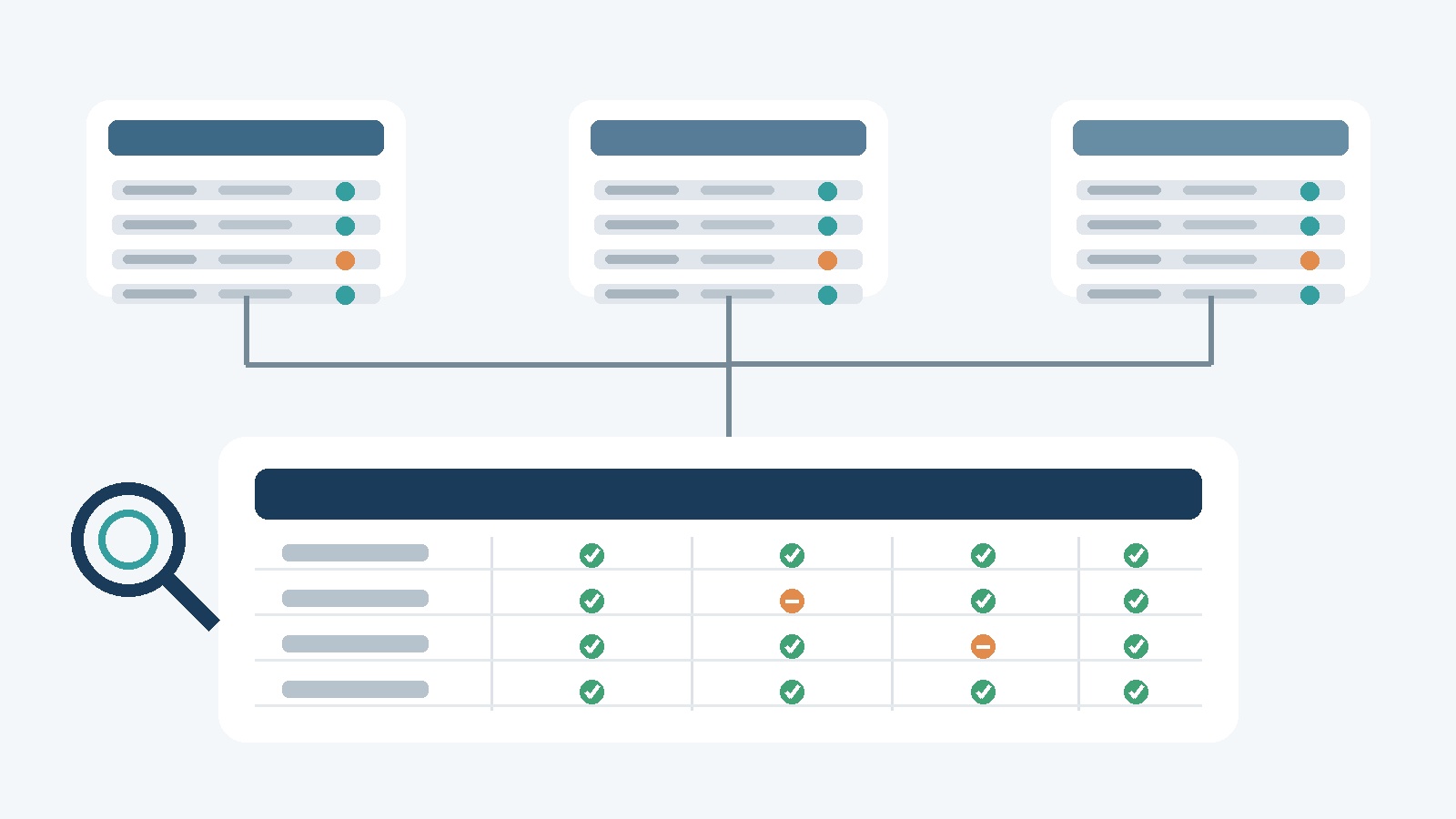
Multinational employers often use different brokers and carriers in different countries. That local flexibility can be valuable, but it creates a visibility problem for headquarters. Plan information, renewal dates, census files, invoices, and policy documents may be distributed across dozens of vendors.
A global administration layer lets the company keep local brokers while creating one operating view of the overall benefits portfolio. The goal is not necessarily broker consolidation. It is data and process consolidation.
A Practical Responsibility Matrix
- Benefits strategy: broker or consultant leads; platform stores and operationalizes the decision.
- Carrier marketing and placement: broker leads.
- Eligibility rules: employer and advisers approve; platform administers.
- Enrollment and member records: platform leads.
- Renewal negotiation: broker leads; platform manages workflow and data.
- Operational reporting: platform leads.
- Market and claims benchmarking: broker leads.
- Employee service: platform, broker, and carrier each own defined issue types.
- Legal and tax interpretation: qualified advisers lead.
When Employers Rely Too Heavily on the Broker
A broker relationship becomes overloaded when the employer expects the broker to function as the HR team’s system of record. That often leads to spreadsheets, email-based eligibility changes, inconsistent local processes, and difficulty producing a consolidated global view.
The broker may still provide excellent advice. The problem is asking an advisory relationship to perform the job of an administration system.
When Employers Rely Too Heavily on Software
The opposite mistake is assuming software can replace market expertise. A platform can centralize plan data and automate workflows, but it does not create insurer competition, negotiate policy wording, assess underwriting strategy, or substitute for licensed advice.
The strongest operating model gives each party the work it is best equipped to perform.
How Redii Fits Alongside Existing Brokers
Redii’s Benefits Administration platform is designed to sit alongside existing brokers, carriers, payroll providers, and local benefit vendors. Employers can centralize plan records, eligibility, providers, renewals, costs, documents, and reporting without replacing every local relationship.
That distinction matters for global companies. The objective is to connect the benefits ecosystem so headquarters has one source of truth while brokers continue to provide strategy, placement, and market expertise.
Do Not Choose Between Broker and Platform—Define the Interface
For most global employers, the real decision is not broker versus benefits administration platform. It is how the two should work together.
Put strategy, market negotiation, and carrier placement with the broker. Put employee data, eligibility, workflows, records, reporting, and renewal operations in the administration layer. Then document the handoffs so HR knows exactly who owns each step.
Frequently Asked Questions
Does a benefits administration platform replace a benefits broker?
Usually not. Brokers and platforms serve different roles: brokers advise and place coverage, while administration platforms operate employee data, eligibility, enrollment, reporting, and workflows.
Can a company keep local brokers and still use one global benefits platform?
Yes. A global administration platform can centralize data and processes while the employer keeps country-specific brokers and carriers.
Who should own benefits renewals?
Renewals are shared. The broker typically leads market strategy and negotiation, while the administration platform manages census data, deadlines, approvals, records, and implementation workflow.
Who should be the source of truth for employee eligibility?
The employer should maintain a controlled administrative source of truth connected to HR and payroll data. Broker spreadsheets should not normally be the permanent system of record for employee eligibility.