


A global benefits renewal should be managed as a 90-day operating process, not a deadline that appears when a broker sends final terms. Multinational programs involve different countries, vendors, currencies, renewal dates, eligibility rules, and approval owners. Without a common calendar, the company ends up making expensive decisions under time pressure.
Aon’s 2025 Global Benefits Trends Study emphasizes governance, cost management, employee value, and disciplined implementation as priorities for multinationals. Mercer likewise describes global benefits management as a way to improve visibility, cost control, governance, and local execution across fragmented programs.
This 90-day playbook is designed for HR, benefits, finance, procurement, payroll, and global mobility teams. The exact timeline should be adjusted for insurer notice periods, local law, works councils, collective agreements, tender requirements, and complex underwriting.
Day 90: Open the Renewal File
At 90 days, the goal is not to negotiate pricing. It is to establish a reliable baseline. Create one renewal record for the plan and assign an accountable owner, decision-makers, broker or vendor contacts, renewal date, notice deadline, and internal approval deadline.
Confirm what is actually renewing. A “medical renewal” may include life, disability, dental, vision, travel, employee assistance, wellbeing, pension risk benefits, or other insured programs. Separate each contract if the dates or decision paths differ.
Pull the current plan documents, policy schedule, prior renewal decision, rates, commissions or fees, employee contributions, enrollment census, and outstanding service issues. The renewal starts with an evidence file.
Days 90–75: Clean the Census and Eligibility Data
Pricing is only as good as the population data supplied. Reconcile the insurer census to HRIS and payroll records. Remove terminated employees, add eligible new hires, correct dependant status, and confirm country, age or date of birth, coverage tier, salary where relevant, and other fields required by the insurer.
Check eligibility rules at the same time. If HR cannot explain why each population is in or out of the plan, renewal is an opportunity to fix the rule before another year of exceptions accumulates.
Document known changes for the upcoming year: acquisitions, divestitures, hiring plans, new entities, country launches, relocations, benefit harmonization projects, and planned workforce reductions.
Days 75–60: Build the Cost and Performance Baseline
Create a simple dashboard showing current annual premium or spend, employer and employee share, enrollment, per-employee cost, prior-year increase, current claims metrics where available, and major service indicators.
For experience-rated programs, review loss ratios, large claims, utilization, and recurring cost drivers at an appropriate level. For pooled or community-rated programs, focus on market trend, enrollment mix, insurer pricing changes, and competitive positioning.
Do not rely only on cost. Record service failures, claims escalation patterns, network gaps, payroll errors, delayed enrollments, poor employee communications, and data-quality issues. A cheaper renewal can be a bad decision if the vendor cannot administer the plan reliably.
Days 60–45: Benchmark and Define the Decision
Decide what the company is trying to accomplish. Is the priority cost containment, employee affordability, stronger coverage, simplification, benefits parity, vendor consolidation, or a combination?
Benchmark the plan against local statutory requirements, market practice, internal global standards, and comparable employee populations. Avoid benchmarking only headline benefit limits. Compare employee cost-sharing, provider access, eligibility, dependants, exclusions, service model, and actual employee use.
Write the decision criteria before receiving final proposals. For example: keep employer cost growth below a defined threshold, preserve a minimum inpatient benefit, avoid increasing employee contributions for lower-paid groups, or consolidate vendors if service and cost are comparable.
Days 45–30: Request Alternatives and Model Scenarios
Ask the incumbent and, where appropriate, competing providers to price clearly defined alternatives. Avoid requesting dozens of arbitrary designs. Each option should answer a real decision question.
Typical scenarios include renewing as-is, modifying employee contributions, changing deductibles or copayments, adjusting benefit limits, changing networks, consolidating policies, changing insurer, or redesigning the funding arrangement.
Use one comparison format across vendors. Normalize currency, taxes, commissions, broker fees, headcount assumptions, benefit differences, and implementation costs. Include the internal administrative burden of moving providers, not only the quoted premium.
Days 30–21: Run Cross-Functional Review
Bring the decision to the people who will live with it. HR should assess employee impact and competitiveness. Finance should validate budget and accounting. Payroll should confirm deductions and contribution timing. Legal or local counsel should review material terms where needed. Procurement should review commercial terms and vendor risk. Global mobility should flag assignee or relocation implications.
If employee representatives, works councils, unions, or consultation processes apply, build those steps into the timeline. Record unresolved issues and assign owners. Do not allow “legal reviewing” or “finance checking” to become an unowned status.
Days 21–14: Approve and Contract
Prepare a one-page decision memo with the current arrangement, proposed arrangement, cost impact, employee impact, alternatives considered, material risks, implementation tasks, and required approvals.
Once approved, confirm the insurer or vendor in writing and complete contracts, policy endorsements, data-processing terms, broker letters, payment instructions, and implementation documents. Make sure the commercial decision matches the actual contract.
Days 14–7: Prepare Employee Communications
Employee communication should explain what is changing, what is not changing, when the change takes effect, what action employees must take, how contributions or out-of-pocket costs change, and where to get help.
Use plain language. Employees need operational instructions: whether they must re-enroll, whether dependants need evidence, whether cards change, how to access providers, and what happens to ongoing treatment.
Coordinate translations and local review where necessary. A common global message can be supported by country-specific inserts so employees receive relevant details without creating an entirely different campaign everywhere.
Days 7–0: Implement and Reconcile
Load new rates and eligibility rules into payroll and HR systems. Send enrollment files. Confirm insurer receipt. Test employee deductions. Verify effective dates. Check whether new member cards or digital access are available.
Create a go-live checklist and identify the escalation route for the first payroll and first claims cycle. If a vendor is changing, track open claims, continuity-of-care cases, data migration, termination of old access, and final invoices.
On the effective date, the renewal is not finished until the company can reconcile the employee census, payroll deductions, vendor enrollment, and invoice.
Days 1–30 After Renewal: Close the Loop
Within the first month, reconcile billing to enrollment, confirm employee contributions, resolve exceptions, collect service issues, and update the benefits register with the final contract, rates, renewal date, notice deadline, and accountable owner.
Document what the company learned. Which data was late? Which approval created delay? Which vendor issue repeated? Which employee questions were most common? Those observations should improve the next renewal rather than disappear into email.
A Global Renewal Control Sheet
- Plan, country, insurer, broker, policy number, and renewal date
- Notice deadline and internal decision deadline
- Current rates, projected rates, and approved budget
- Enrollment census and HRIS reconciliation status
- Claims or utilization data status
- Benchmark and alternative-quote status
- Legal, finance, payroll, procurement, and HR approvals
- Employee communication owner and send date
- Implementation, payroll, enrollment, and invoice reconciliation status
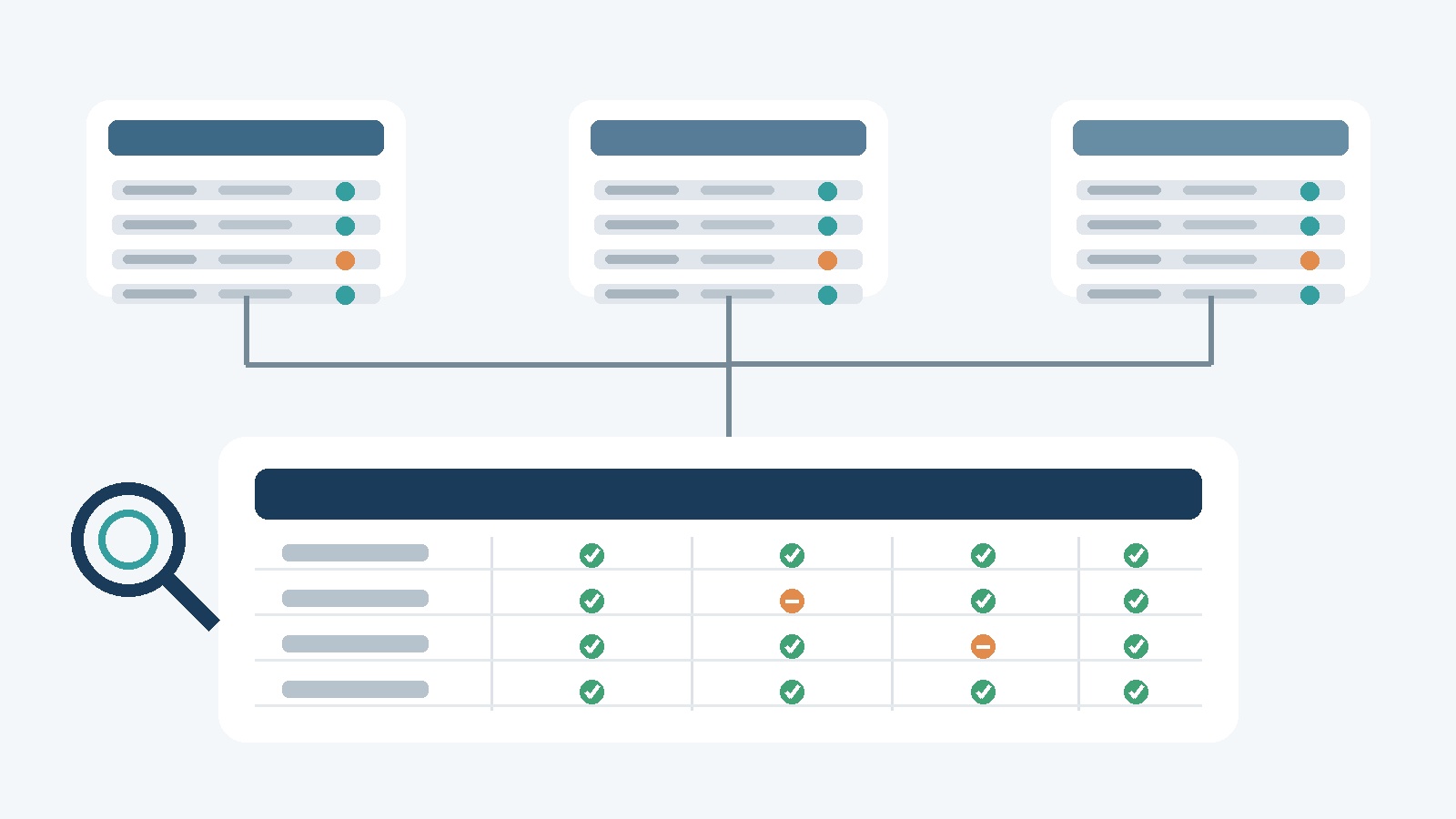
For multinational teams, the control sheet should roll up to a global calendar. That lets leadership see upcoming renewals and total cost exposure instead of managing each country in isolation.
How Redii Supports the 90-Day Renewal Workflow
Redii’s global benefits administration capabilities help employers centralize providers, renewal dates, eligibility, member records, and reporting across countries. The objective is to replace fragmented spreadsheets and inbox reminders with a repeatable operating process.
That is particularly useful when the company already has local brokers and insurers it wants to keep. Redii can serve as the administration layer around those relationships. For more on the operational case, see when global benefits spreadsheets stop working.
Renewal Discipline Compounds
A 90-day calendar does more than prevent missed deadlines. It improves data quality, creates better negotiating leverage, makes approvals easier, and produces cleaner employee communication.
The first year may still require manual cleanup. By the second and third renewal cycles, the company should have a reliable benefits inventory, decision history, renewal calendar, and set of owners. That is when global benefits administration starts to feel like an operating system rather than a series of emergencies.
Employer Decision Framework
Run renewals as a controlled cross-functional process.
The useful next step is to convert the article's concepts into a documented employer decision, with clear owners, evidence and review dates.
- Open one renewal file with owners, deadlines and evidence.
- Clean census and eligibility data before requesting terms.
- Reconcile final contracts, payroll settings and employee communications.
For implementation, see Redii Benefits Administration. Redii can help administer the approved design, but employers should obtain legal, tax, investment and insurance advice for the countries and employee populations involved.