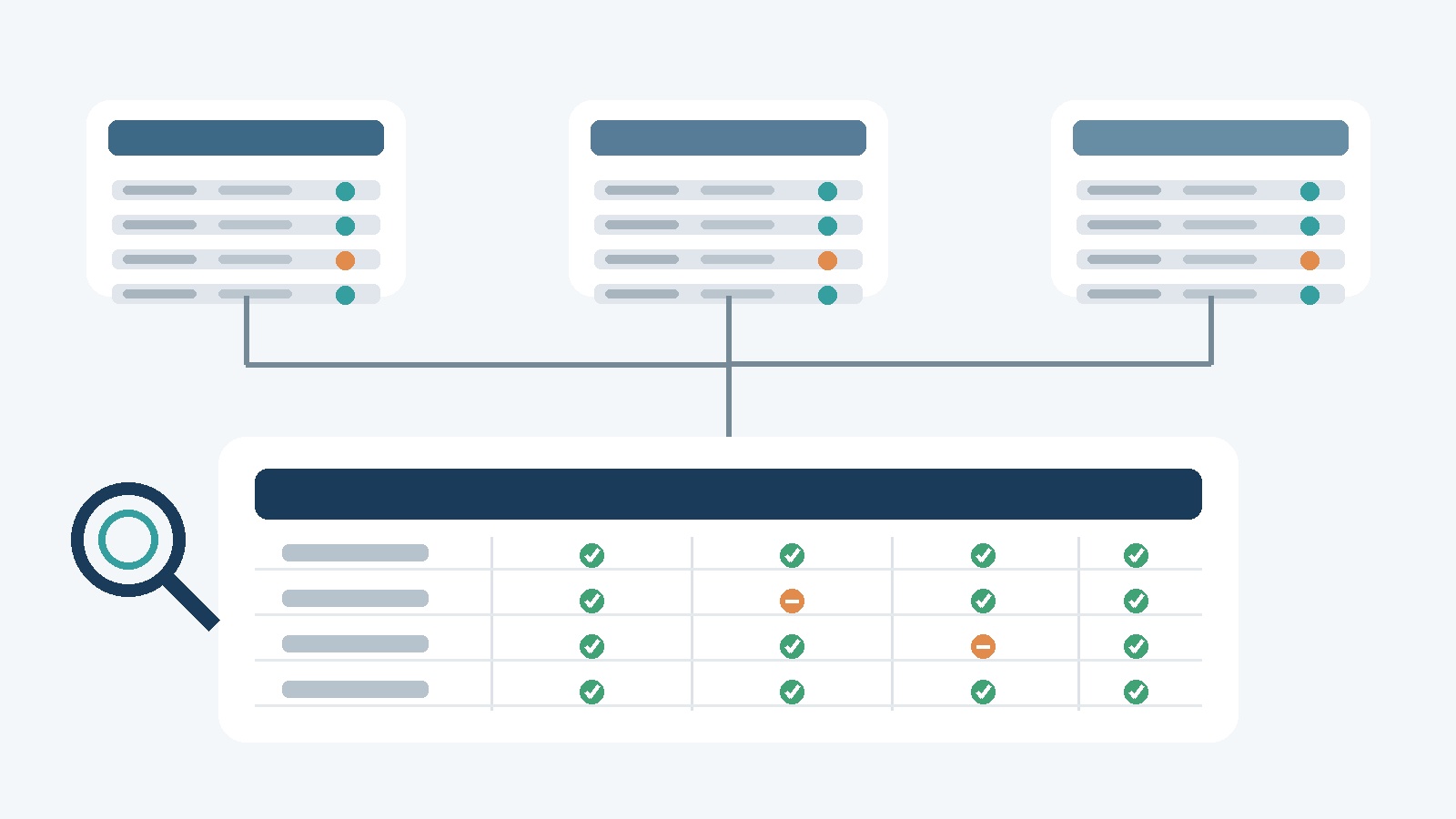



A global benefits compliance checklist should be completed before an employer makes an offer, registers payroll, or allows an employee to work from a new country. Benefits obligations are connected to the employment model, worker classification, payroll withholding, social security, immigration, tax presence, employment documents, insurance, and data handling.
The correct sequence matters. Choosing a provider before confirming the legal employer and statutory obligations can create duplicate coverage, missed contributions, invalid contracts, or benefits that cannot be delivered locally.
This checklist helps HR and finance teams organize a country launch. It is not a substitute for country-specific legal, tax, payroll, immigration, insurance, or accounting advice.
1. Confirm Why and How the Company Is Hiring
Document the business reason, expected headcount, roles, work locations, hiring dates, permanence, and management structure. Distinguish a local hire from a temporary assignment, business traveler, cross-border commuter, employer-of-record engagement, independent contractor, and employee of a local group company.
Worker classification should reflect the real relationship, not only the contract label. Control, integration, exclusivity, equipment, financial risk, and the ability to subcontract can affect classification. Misclassification may change wage, leave, tax, social security, benefits, and termination obligations.
2. Select the Employing and Operating Model
Decide whether the worker will be employed by an existing entity, a newly formed local entity, an employer of record, or another permissible structure. Identify which entity signs the contract, directs the work, pays compensation, sponsors benefits, owns intellectual property, and bears termination obligations.
Also review whether employee activity could create corporate tax presence. OECD guidance explains that cross-border remote work can affect whether a business has sufficient presence in another country to constitute a permanent establishment under an applicable treaty. The result depends on facts and law, so remote-work approval should trigger tax review rather than rely on a universal day limit.
3. Confirm Work Authorization and Immigration
Verify the individual's right to work for the selected employer in the location. Citizenship or residence does not always authorize a particular work activity, and a digital-nomad or visitor status may not permit local employment. Record sponsorship duties, renewals, reporting, role or salary conditions, dependant implications, and travel restrictions.
Do not wait until onboarding to resolve immigration. The employment start date, payroll registration, benefits eligibility, and relocation support may all depend on authorization.
4. Map Employment-Law Requirements
Create a country summary covering written-contract rules, required language, probation, working time, overtime, rest, holidays, leave, minimum pay, pay frequency, remote work, health and safety, expense reimbursement, employee representation, confidentiality, inventions, monitoring, and termination.
Country law can provide higher rights than a regional baseline. The European Commission notes that EU labour rules establish minimum requirements while individual countries may provide more generous protection. The ILO's Conditions of Work and Employment Laws database provides country information on working time, minimum wages, and maternity protection, but current local advice remains important.
5. Register Payroll and Withholding
Identify employer registrations, employee tax numbers, withholding, social contributions, unemployment or training levies, payroll frequency, payslip content, reporting deadlines, payment methods, year-end statements, and record retention. Confirm whether a foreign employer can register directly or needs a local representative.
Map every compensation element: salary, bonus, commission, equity, allowances, reimbursements, employer-paid benefits, employee deductions, and termination payments. A benefit that is tax-free at headquarters may be taxable compensation elsewhere.
Home-country obligations can continue in some cases. For example, the IRS explains that wages paid by a U.S. person to a U.S. citizen working abroad are generally subject to federal withholding unless an exception applies, including certain cases where foreign law requires withholding. Cross-border payroll should therefore be reviewed from both sides.
6. Identify Statutory Benefits and Social Insurance
List mandatory employer and employee contributions and the benefits they fund: healthcare, pension, unemployment, occupational injury, sickness, maternity, disability, long-term care, severance, and other national programs. Confirm contribution ceilings, covered pay, waiting periods, registrations, certificates, and reporting.
Check whether a social security agreement or regional coordination rule assigns coverage to one country. Avoid assuming that home-country contributions eliminate destination obligations. Obtain required certificates before payroll whenever possible.
7. Design Voluntary Benefits Around the Statutory Baseline
Only after mapping mandatory coverage should the employer select supplemental benefits. Compare medical insurance, retirement savings, life and disability, allowances, flexible benefits, wellbeing, and rewards against local market practice and the company's global philosophy.
For every offering, review insurer or provider licensing, eligible employees, dependant rules, tax treatment, payroll deductions, currency, minimum participation, evidence of insurability, termination, portability, employee communications, and complaint handling.
A consistent global value proposition does not require identical products. Employers can define common objectives—health protection, retirement support, financial resilience, and recognition—then implement them through appropriate local or international arrangements.
8. Coordinate Employment Documents and Policies
Prepare the employment agreement, offer letter, privacy notice, handbook acknowledgments, benefits summary, enrollment forms, payroll consents, remote-work terms, intellectual-property documents, and required statutory notices. Use locally enforceable language and identify which document controls if translations differ.
Benefits language should avoid unintended guarantees. State eligibility, amendment rights, insurer terms, tax responsibility, contribution conditions, and what happens during leave, relocation, and termination. If a policy or plan document governs, make that relationship clear.
9. Review Data Privacy and Cross-Border Transfers
Map the employee data sent to payroll, insurers, brokers, pension administrators, HR systems, advisers, and group companies. Record purpose, legal basis, required notices or consents, retention, access controls, subprocessors, security measures, and transfer mechanisms.
Health, disability, beneficiary, and financial data may require heightened protection. Collect only what is needed, separate administrative access from management decisions, and establish a process for corrections, access requests, incidents, and vendor termination.
10. Check Currency, Banking, and Exchange Controls
Confirm the salary currency, payment location, benefit and premium currencies, conversion source, timing, bank requirements, and who bears fees. Some countries restrict foreign-currency payments or movement of funds. Retirement and insurance contributions may need local accounts or approved providers.
Document how exchange movements affect fixed allowances, contribution percentages, benefit limits, and employee communications. Avoid informal conversions that cannot be reproduced during audit.
11. Calculate the Full Employment Cost
Build a country cost model including salary, employer social contributions, mandatory bonuses, leave, insurance, pension, payroll and provider fees, employer-of-record fees, taxes on benefits, equipment, workspace, immigration, severance accrual, exchange costs, and internal administration.
Separate recurring cost from setup cost and contingent liabilities. A lower salary market can still be expensive if mandatory benefits, severance, or operating requirements are omitted from the forecast.
12. Create an Approval and Evidence File
Assign owners across HR, payroll, finance, legal, tax, privacy, mobility, and local operations. Record the advice received, decisions made, assumptions, registrations, contracts, provider due diligence, policies, and employee communications.
Use status labels such as confirmed, pending, not applicable, and accepted risk. Every open item should have an owner and deadline. Do not treat the country as ready merely because payroll can issue a payslip.
13. Build Ongoing Compliance Into Operations
Country launch is the beginning. Establish calendars for payroll filings, contribution remittances, insurer renewals, pension reports, visa renewals, salary or benefit changes, employee notices, and policy reviews. Trigger reassessment for relocation, promotion, leave, dependant changes, remote-work requests, acquisitions, and provider changes.
Track official and professional updates and validate material changes with local advisers. Legal rules, contribution thresholds, reporting formats, and market practices change independently.
Global Benefits Compliance Checklist
- Business reason, location, role, and hiring dates documented
- Worker classification and employing model approved
- Corporate tax and permanent-establishment review completed
- Work authorization confirmed
- Employment terms and mandatory policies prepared
- Payroll, withholding, and social registrations completed
- Statutory benefits and contribution rates mapped
- Voluntary benefits reviewed for tax, licensing, and eligibility
- Contracts, notices, and employee communications finalized
- Privacy, security, and cross-border data transfers documented
- Currency, banking, and exchange-control rules confirmed
- Total employment cost approved
- Ongoing calendar, evidence file, and accountable owners established
How Redii Supports Global Benefits Operations
Redii gives employers a centralized platform for global benefits administration, including employee eligibility, provider records, renewals, international retirement benefits, rewards, deferred compensation, and reporting. This helps teams maintain one operating view while country-specific requirements remain documented and owned.
Centralization does not replace local advice. It makes the approved design repeatable: enrollment changes are tracked, provider information is visible, records are retained, and global reporting no longer depends on disconnected spreadsheets. Explore Redii's global benefits platform.
Employer Decision Framework
Build the compliance file before the first employee starts.
The useful next step is to convert the article's concepts into a documented employer decision, with clear owners, evidence and review dates.
- Confirm the employing model and statutory baseline.
- Map payroll, withholding and benefit registration owners.
- Keep evidence of advice, approvals and recurring review dates.
For implementation, see Redii Benefits Administration. Redii can help administer the approved design, but employers should obtain legal, tax, investment and insurance advice for the countries and employee populations involved.
Authoritative References
- International Labour Organization: Universal social protection in changing labour markets
- UK ICO: Data protection and monitoring workers
Frequently Asked Questions
When should a benefits compliance review begin?
Begin before making an offer or approving work from a new country, because entity, worker classification, payroll, immigration, and statutory benefits can affect the employment model and cost.
Can an employer use the same benefits package in every country?
A global philosophy can be consistent, but mandatory benefits, tax treatment, insurance rules, provider availability, and employee expectations require country-specific implementation.
Who should own global benefits compliance?
Assign one accountable owner and a cross-functional workflow involving HR, payroll, finance, legal, tax, privacy, mobility, and local advisers or providers.